 Great West Paving
A Practical Fix When Your Pavement Is Rough, Cracked, and Aging
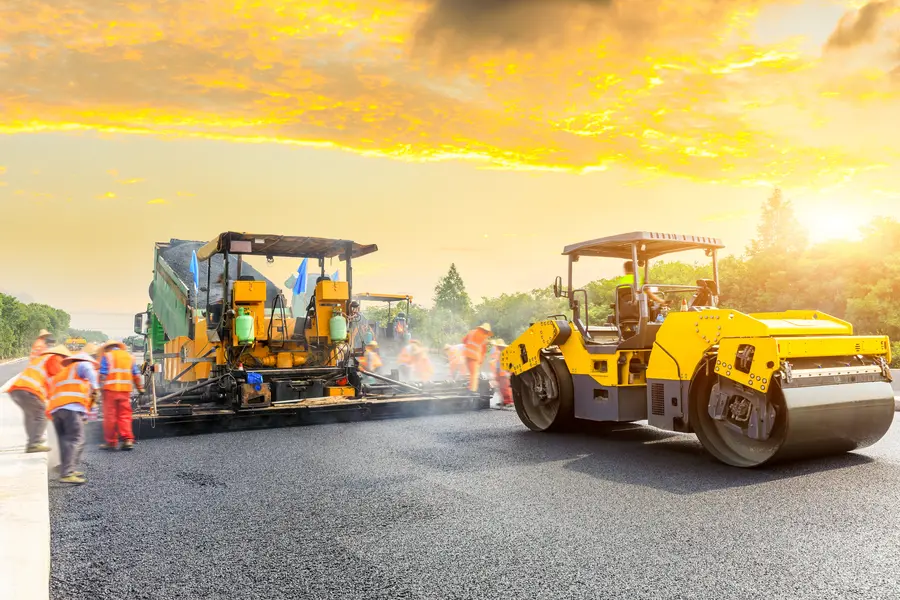
Asphalt resurfacing is often a smart fix for cracked and worn pavements when the surface is damaged but the base underneath is still in fair shape. It adds a new layer over the old one, which can improve the look, smooth out the ride, and help the pavement last longer. For many property owners in Turlock, CA, this works well when damage is wide across the surface but not deep enough for full replacement.
Quick Diagnosis Summary
If your pavement has many small cracks, faded areas, rough spots, or light dipping, asphalt resurfacing may be the right repair. It is best for surfaces that are worn on top but still stable below. If the pavement has large holes, deep sinking, or major water damage, a deeper repair may be needed first. A simple surface fix will not solve base failure.
Common Symptoms
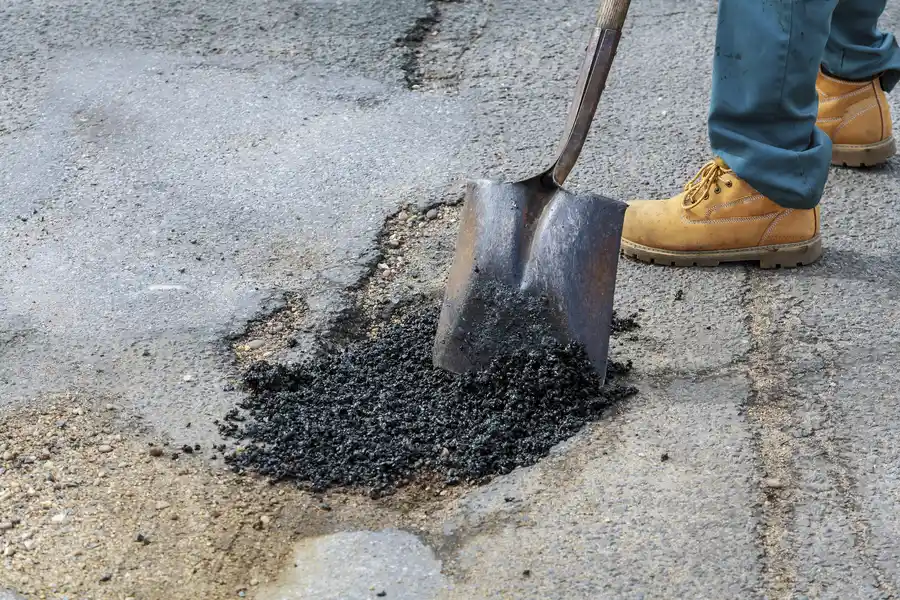
Cracked and worn pavement often gives clear warning signs. The trick is knowing which signs point to surface wear and which signs point to bigger trouble. Surface wear usually starts slowly. The pavement may look old, dry, or faded long before it fully breaks apart.
- Small cracks spread across the top layer
- Loose stones or rough texture
- Fading from dark black to gray
- Shallow low spots that hold a little water
- Areas that feel uneven but still firm
- Old patch marks that no longer blend in well
These signs often mean the top layer has reached the end of its useful life. In many cases, asphalt resurfacing can cover these issues and create a smoother surface. This type of asphalt resurfacing is common on drive lanes, private roads, parking areas, and other asphalt resurfacing projects where the lower layers still have strength.
Likely Causes
Pavement does not wear out for one reason alone. Time, weather, traffic, and water all play a part. Sun dries out the binder in asphalt. Rain gets into small cracks. Cars and trucks press down on weak spots every day. Freezing and thawing can make tiny openings grow wider.
Poor drainage is another major cause. When water sits on the surface or slips below it, the pavement can weaken from the inside. That is why some worn areas are fine for resurfacing, while others need more than a new top coat. In the broader service category, surface work is only one part of pavement care. A good repair plan matches the real cause of the damage.
What to Check First
Before moving ahead with asphalt resurfacing, inspect the pavement closely. A worn-looking surface may hide deeper trouble. Start with a simple walk-through after a rain. Look at how water moves and where it stays. Press on weak edges with your foot. Check if cracks are thin and shallow or wide and deep.
- Look for standing water after rain
- Check for soft spots or sinking areas
- Measure how wide the cracks have become
- Notice if old patches are stable or breaking apart
- Inspect the edges for crumbling or drop-off
- Watch for alligator cracking, which can mean base failure
If the pavement still feels solid in most places, resurfacing may be a good next step. If many spots move, break, or sink, the base may need repair before any overlay is added.
Safe Fixes Vs Pro-Level Fixes
Some surface issues can be handled early with simple maintenance. Small cracks can be sealed. Light cleaning can remove debris that traps water. A sealcoat may help protect a newer surface. These steps are useful when wear is still minor.
But asphalt resurfacing is not a small do-it-yourself task. The old surface must be cleaned, repaired, and prepared the right way. In some cases, milling is needed to remove part of the top layer and help the new layer sit at the proper height. Problem areas may need patching first. If this prep is skipped, the new surface may not bond well or may fail too soon.
Pro-level work is also needed when drainage is poor, when traffic is heavy, or when damage covers a large area. A trained crew can tell if resurfacing is enough or if full replacement makes more sense.
Prevention Tips
Good pavement lasts longer when small problems are handled early. Many worn surfaces could have gone years longer with basic care. The goal is to keep water out, reduce stress on weak spots, and fix minor damage before it spreads.
- Seal cracks before they grow
- Keep drains and edges clear
- Clean oil and chemical spills
- Patch small trouble spots early
- Do not let water sit for long periods
- Schedule routine checks each year
It also helps to avoid heavy loads on areas not built for them. One delivery truck may not seem like much, but repeated weight in the same place can wear down a weak section fast. Regular upkeep costs less time and trouble than waiting for large repairs.
Final Recommendation
If your pavement is cracked, worn, and rough but still has a solid base, asphalt resurfacing can be a strong option. It can improve safety, appearance, and function without the larger job of full replacement. The key is proper inspection first. If the damage is only on the surface, resurfacing can add years of service. If the base is failing, deeper repair should come first.
Talk With a Local Team About the Next Step
For property owners in Turlock, CA, we can help review the damage and explain if resurfacing or another repair is the better fit. Contact Great West Paving to set up a pavement check and get clear guidance on the next step. Call us at (209) 345-7161, and we will help you plan a repair that fits your surface and goals.