 Great West Paving
Clear Answers for Repairs, Timing, and What to Expect
Many property owners ask the same things about asphalt resurfacing: what it is, when it makes sense, how long it lasts, and when a full replacement is the better choice. The short answer is simple. asphalt resurfacing adds a new layer over an older pavement surface that still has a solid base. It can improve looks, smooth out minor damage, and extend pavement life without tearing everything out. In Turlock, CA, this is often a smart step when cracks and wear are visible but the foundation is still stable.
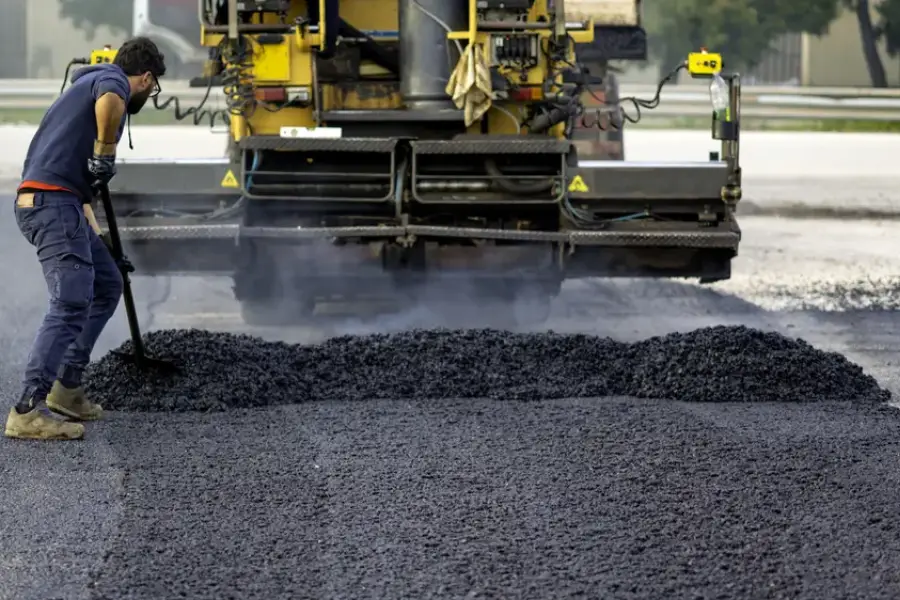
Quick Decision Answer
Asphalt resurfacing is usually the right choice when the top layer is worn, faded, rough, or lightly cracked, but the base under it is still in good shape. It is not the best choice for pavement with deep potholes, major sinking, drainage trouble, or wide cracks that keep coming back. A good inspection helps separate surface damage from base failure. That is the main question behind most resurfacing decisions.
Option a Vs Option B Criteria
When people compare asphalt resurfacing to full replacement, they are really comparing surface repair to full rebuild. Resurfacing keeps the existing structure and places a fresh layer on top. Replacement removes the old pavement and rebuilds from the ground up. The right pick depends on damage level, age, water issues, and how the pavement is used each day.
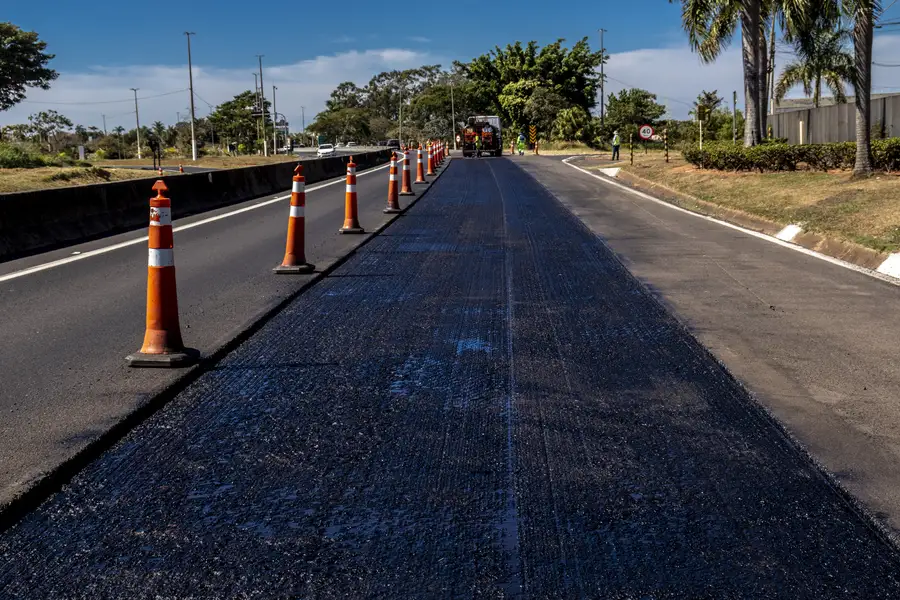
One helpful way to think about it is this: if the problem is mostly on top, resurfacing may work. If the problem starts under the surface, replacement is often the safer path. This applies to driveways, parking lots, and other service category needs where traffic and drainage matter.
Pros and Cons List
- asphalt resurfacing can improve appearance fast.
- It can smooth small cracks and minor low spots.
- It often adds years of life to older pavement.
- It works best when the base is still strong.
- It will not fix deep base damage underneath.
- Old drainage problems may still remain after resurfacing.
- Full replacement fixes both surface and base issues.
- Replacement takes more work but solves larger structural problems.
This is why one option is not always better than the other. The condition under the pavement matters just as much as what you can see on top.
Best Fit by Scenario and User Need
A homeowner with a driveway that looks gray, rough, and lightly cracked may be a good fit for asphalt resurfacing. The same is true for a small parking area with surface wear from weather and daily vehicle use. If water drains well and the pavement feels solid under weight, resurfacing can make sense.
Now think about a lot with potholes, deep sinking near drains, or long cracks that spread each year. That surface may look like it only needs a fresh top layer, but the real issue could be underneath. In that case, putting new asphalt on top may only hide the problem for a short time.
Another common question is about age. Older asphalt is not always past saving. Some surfaces can still be resurfaced if the damage is limited and the structure remains stable. Age matters, but condition matters more. A ten-year-old driveway with good support may be a better resurfacing candidate than a newer one with poor drainage and weak soil.
Mistakes People Make When Choosing
One common mistake is judging by looks alone. Fresh black pavement can seem like a fix for almost anything, but surface appeal does not repair a bad base. Another mistake is waiting too long. Small cracks and wear can grow into larger damage after water gets below the top layer. At that point, resurfacing may no longer be enough.
People also forget to ask about edge strength. The middle of a driveway or lot may seem fine, while the edges are breaking apart. Weak edges can point to bigger trouble. It also helps to ask about drainage. If water sits on the pavement after rain, a new top layer alone may not solve the cause.
Some owners patch the same areas again and again without asking why those spots fail. Repeated damage in one place can signal base movement, poor compaction, or water getting trapped below. Those are signs that a simple overlay may not last as hoped.
Final Decision Checklist
- Check for small cracks versus large, spreading cracks.
- Look for potholes, sinking, or soft spots.
- Watch how water drains after rain.
- Review the age and repair history of the pavement.
- Ask whether the base is stable or failing.
- Compare resurfacing benefits with full replacement needs.
- Get an inspection before making a final choice.
If most signs point to surface-level wear, asphalt resurfacing may be a practical next step. If several signs point to structural trouble, replacement may save time and trouble later. A clear site review can help avoid spending money on the wrong solution.
When to Call a Professional
You should get expert help when cracks are getting wider, pooling water is common, potholes keep returning, or parts of the pavement feel uneven under traffic. A trained crew can tell if the trouble is cosmetic or structural. That kind of review is helpful before any large repair plan begins. It can also help if you are trying to decide between patching, resurfacing, and full removal.
Final Recommendation
If you are seeing wear on pavement in Turlock, CA, we can help you figure out whether asphalt resurfacing is a good fit or if a deeper repair makes more sense. Contact Great West Paving to talk through the condition of your surface and what steps may help it last longer. Reach us at (209) 345-7161, and we will help you choose a practical path forward.