 Great West Paving
Professional Repairs Help Pavement Last Longer by Sealing Damage Early
Professional asphalt crack filling helps pavement last longer by stopping water, dirt, and traffic stress from making small cracks worse. When cracks are sealed the right way, the surface stays stronger and safer for a longer time. This also helps slow down potholes, base damage, and large repair needs. For homes, businesses, and property managers, early repair is one of the simplest ways to protect pavement and avoid faster wear.
Why Prevention Matters
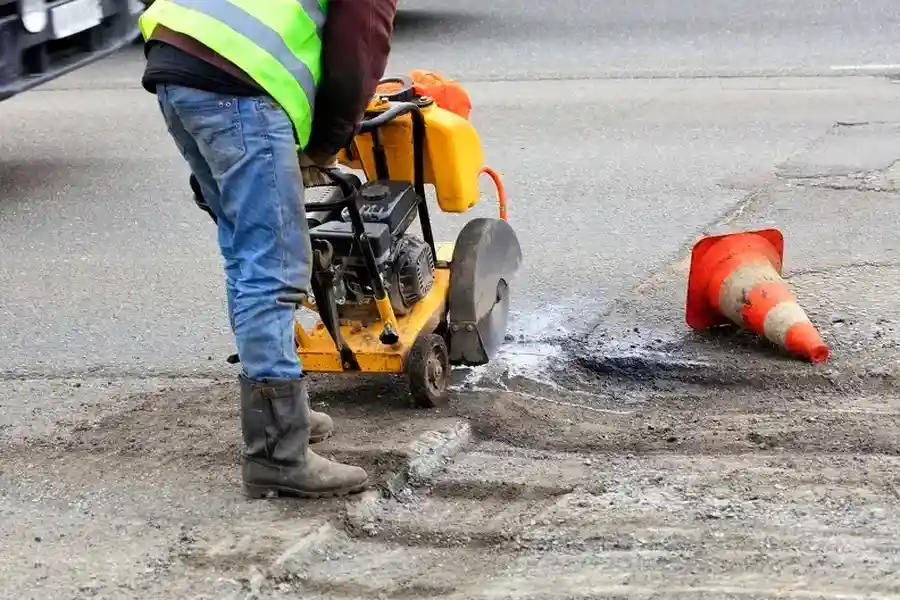
Pavement rarely fails all at once. It usually starts with a small crack. That opening lets water move below the surface. Once water gets in, the ground under the pavement can weaken. Cars and trucks then press down on the weak spot every day. Over time, the crack spreads, the edges break, and the surface begins to sink or chip away. Professional asphalt crack filling blocks that chain of damage before it grows.
This work also improves the life of the whole paved area, not just the crack itself. A clean, properly filled crack helps the pavement move a little with heat and cold without splitting apart as fast. That matters on driveways, parking lots, private roads, and other surfaces in the service category. Small repairs done at the right time can help delay larger patching or replacement work.
Early Warning Signs
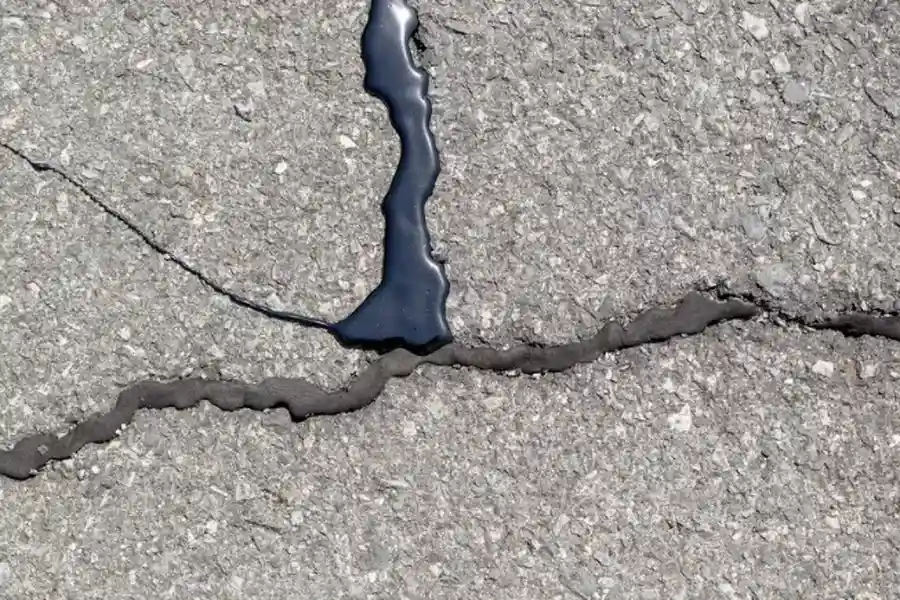
Many cracks look minor at first, but some signs show the surface needs attention soon. Hairline lines can widen after rain, heat, or freezing weather. Cracks that connect into patterns can show deeper stress. Broken edges often mean traffic has already started pulling the surface apart. If weeds are growing through openings, water has likely been getting in for a while.
- Thin cracks that keep getting longer
- Open gaps wider than a hairline
- Loose pieces along crack edges
- Water sitting in or near the crack
- Grass or weeds growing through the surface
- Areas that feel rough or uneven when walking
When these signs show up, waiting too long can turn a simple sealing job into a bigger repair. Early action helps keep damage on the surface from reaching the base below.
Seasonal or Routine Checklist
Staying ahead of pavement damage works best with a simple routine. Property owners do not need to inspect pavement every day, but checking it a few times each year can help catch problems early. Spring and fall are often good times to look for new cracks, edge wear, and spots where water does not drain well.
- Walk the full paved area and look for new cracks.
- Check whether old filled cracks are still sealed.
- Look for standing water after rain.
- Remove weeds, dirt, and debris from openings.
- Mark areas with spreading or deep cracks.
- Schedule professional asphalt crack filling before damage grows.
This kind of routine is helpful for driveways, retail lots, office parking areas, and community roads. It keeps small issues from being missed until they become costly surface failures.
Best Practices for Long-Term Results
Good results depend on more than just putting filler into a crack. The area should be cleaned so the material can bond well. The crack filling product should match the pavement type, crack size, and local weather conditions. Professional crews also look at the shape of the crack and how the pavement is wearing around it. That helps them decide whether a crack should be filled, sealed, patched, or watched for later repair.
Timing matters too. Filling cracks while they are still manageable gives better protection than waiting until the surface breaks apart. It also helps when the pavement is dry and conditions support strong bonding. A proper repair should leave the crack sealed well enough to keep out water while still handling normal expansion and movement.
Long-term pavement care often works best when crack repair is part of a full upkeep plan. This may include sealcoating at the right time, drainage review, surface cleaning, and watching heavy traffic zones more closely than lighter-use areas.
What Not to Do
Some property owners try quick fixes that do not last. That can waste time and still leave the pavement open to damage. A poor repair may even trap water in the wrong place or hide a deeper issue.
- Do not fill dirty cracks without cleaning them first
- Do not use the wrong material for wide or active cracks
- Do not ignore drainage problems near damaged areas
- Do not wait until cracks turn into potholes
- Do not assume every crack needs the same repair
It also helps not to judge pavement only by the surface look. A small opening in a high-traffic area may be a bigger problem than a larger crack in a low-use corner. The repair choice should fit the cause and level of wear.
When to Schedule Professional Help
Professional help is a smart choice when cracks are spreading, returning, or showing signs of deeper wear. It is also helpful when a property has many cracks across a large area, since trained crews can spot patterns that point to water trouble, weak base layers, or traffic stress. A professional can tell the difference between routine asphalt crack filling and a repair that needs patching or another service.
You may also want expert help before a busy season starts, before bad weather moves in, or when you are trying to improve safety and appearance for visitors, tenants, or customers. Fast action can protect both the pavement and the budget by slowing larger surface failure.
Get Help With the Next Step
If you are seeing cracks in pavement around Turlock, CA, we can help you decide what type of repair makes sense. At Great West Paving, we handle asphalt crack filling with care and attention to long-term pavement life. Call us at (209) 345-7161 to talk about the condition of your surface and set up a time for us to take a closer look.