 Great West Paving
How a Protective Surface Layer Helps Pavement Last Longer
Sealcoating reduces surface deterioration by adding a thin protective layer over asphalt. This layer helps block water, sunlight, oil, and daily wear. Without that barrier, pavement dries out, weakens, and starts to crack. Over time, those small problems grow into larger damage. For property owners in Turlock, CA, parking lot sealcoating can slow that process and help asphalt stay stronger for longer.
Why Prevention Matters
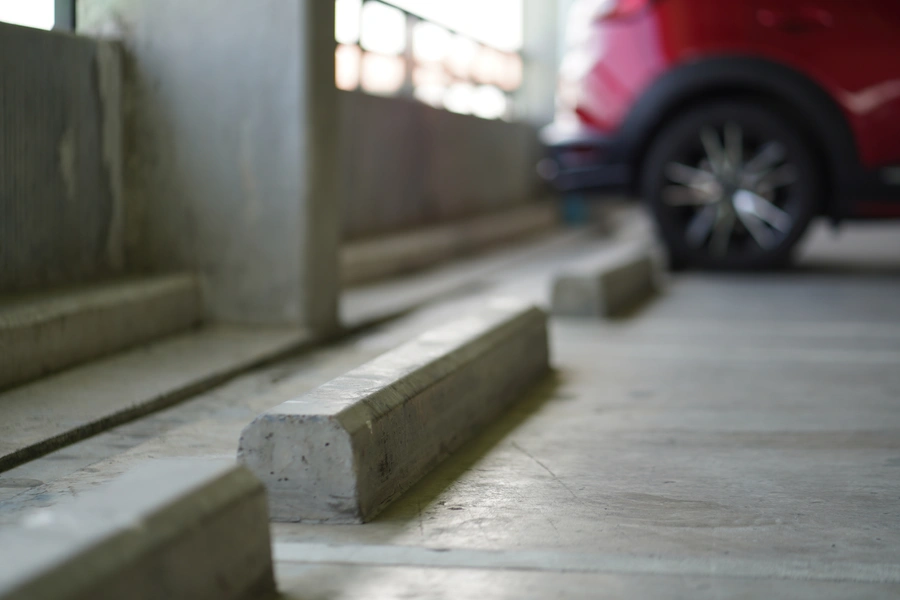
Asphalt takes a beating every day. Cars turn, tires scrape, rain soaks in, and the sun heats the surface. Bit by bit, the top layer breaks down. When that happens, the pavement becomes rough, faded, and brittle. Sealcoating helps by covering the surface before major damage starts. It works like a shield. It does not fix deep cracks or sinking areas, but it can protect pavement that is still in fair or good shape.
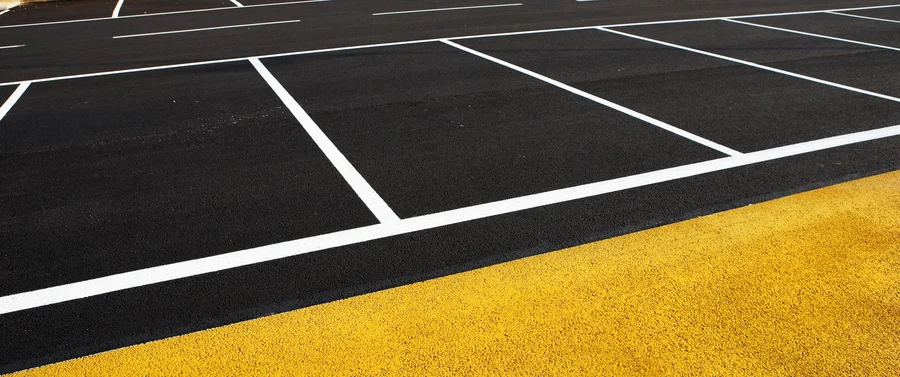
This kind of care is part of smart property maintenance. A sealed lot often looks darker, cleaner, and more even. That fresh layer also helps slow oxidation, which is the drying and aging of asphalt caused by air and sunlight. When oxidation keeps going, the surface loses flexibility. Then cracking becomes more likely.
Early Warning Signs
You can often spot early surface wear before major repairs are needed. These signs tell you the pavement is losing protection:
- Gray or faded color instead of a dark black finish
- Small surface cracks spreading across the lot
- Rough texture or loose grit on top
- Water sitting in shallow low spots
- Oil stains that soak into the surface
- Edges that start to crumble
These signs do not always mean the asphalt has failed. In many cases, they mean the top layer is wearing down. That is when parking lot sealcoating may help slow more damage.
Seasonal or Routine Checklist
Regular checks help you catch issues early. A simple routine can make a big difference over time. Walk the lot every few months and after major weather changes. Look at driving lanes, parking spaces, and the edges near curbs.
- Check for new cracks or spots where old cracks have reopened.
- Look for faded areas where the asphalt has lost its dark color.
- Notice where water puddles after rain.
- Watch for fuel or oil leaks near parking stalls.
- Sweep dirt and debris so the surface stays dry and clean.
- Plan crack filling before scheduling a new sealcoat.
Routine care helps you decide when the timing is right. If the surface is still mostly sound, sealing it can help extend its life. If the lot already has large cracks, potholes, or base failure, repairs should happen first.
Best Practices for Long-Term Results
Good results depend on more than just applying a coating. Surface prep matters. The pavement should be cleaned well so the material can bond to the asphalt. Cracks should be treated before sealing. The weather also matters. Dry conditions and mild temperatures help the coating cure the right way.
It also helps to follow a regular schedule. Many lots do well with sealcoating every few years, though the exact timing depends on traffic, weather, and existing wear. A busy retail lot may need more attention than a small private lot. The goal is to protect the surface before heavy wear turns into deeper structural damage.
Another smart practice is controlling drainage. Standing water is hard on asphalt. If parts of the lot stay wet, the surface and the layers below it can weaken. Keeping drains clear and watching low areas can help reduce long-term trouble.
What Not to Do
Some mistakes can shorten the life of a sealed surface. One common mistake is sealing pavement that is too damaged. Sealcoating is a protective step, not a cure for every asphalt problem. Another mistake is applying product over dirt, grease, or wet pavement. Poor prep can lead to peeling or uneven coverage.
It is also a bad idea to ignore crack filling. Water can pass through open cracks and damage the base below. If that happens, surface deterioration can speed up even with a fresh sealcoat on top. Using the area too soon after application is another problem. Cars and foot traffic can mark or damage the coating before it cures.
Some owners wait too long because the lot still works well enough. But once asphalt becomes brittle and broken apart, a simple protective layer will not do much. Early action usually gives better results.
When to Schedule Professional Help
Professional help makes sense when you are not sure if the pavement is a good candidate for sealing. A trained crew can check the age of the asphalt, the condition of the surface, and whether repairs should come first. This can help you avoid wasting time on a lot that needs more than a surface treatment.
You may also want expert help if your lot has heavy traffic, large square footage, drainage trouble, or many cracks. A team can handle cleaning, prep, crack treatment, and application in the right order. That often leads to a more even finish and better wear over time. Even if the service category keyword is blank here, the work still falls under practical asphalt surface care for commercial and private properties.
Get Help With the Next Step
If your pavement in Turlock, CA is fading, drying out, or starting to crack, we can help you figure out the next step. Contact Great West Paving to talk about your surface condition and whether parking lot sealcoating is a good fit. Call us at (209) 345-7161 and let us help protect your asphalt before small issues turn into larger repairs.