 Great West Paving
Simple Steps That Help Your Project Go Smoothly
Preparing your property for asphalt driveway paving means clearing the work area, planning for vehicle access, protecting nearby features, and making room for equipment. A little prep can help the job move faster and cut down on delays. If you live in Turlock, CA, it also helps to think about weather, drainage, and how the new surface will connect to your garage, street, or walkway.
Quick Answer
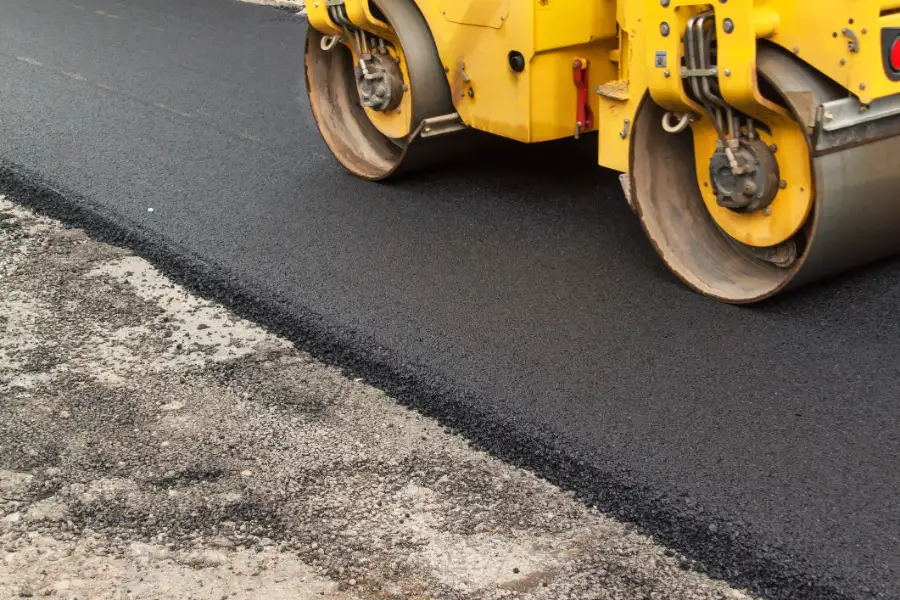
Before asphalt driveway paving starts, remove cars, move outdoor items, trim plants, and mark anything that could get in the way. You should also talk with the contractor about the driveway layout, edges, slope, and drainage. This gives everyone a clear plan before the crew arrives. Good prep can help avoid damage to your yard, fence, or sprinkler parts.
What You Need Before Starting
Start with a simple check of the space around your driveway. Think about what sits near the work zone and what may be hard for large trucks or paving equipment to avoid. This can include mailboxes, low tree limbs, garden beds, hoses, lights, gates, basketball goals, and parked trailers. If your home has kids or pets, make a plan to keep them away from the work area during the project.
You should also know what kind of result you want. Do you need a wider driveway? Do you want a smoother entry from the street? Is water pooling near the garage now? These details matter before any paving begins. Even if this falls under a larger service category, the prep steps are still much the same for most residential paving jobs.
Step-by-Step Process
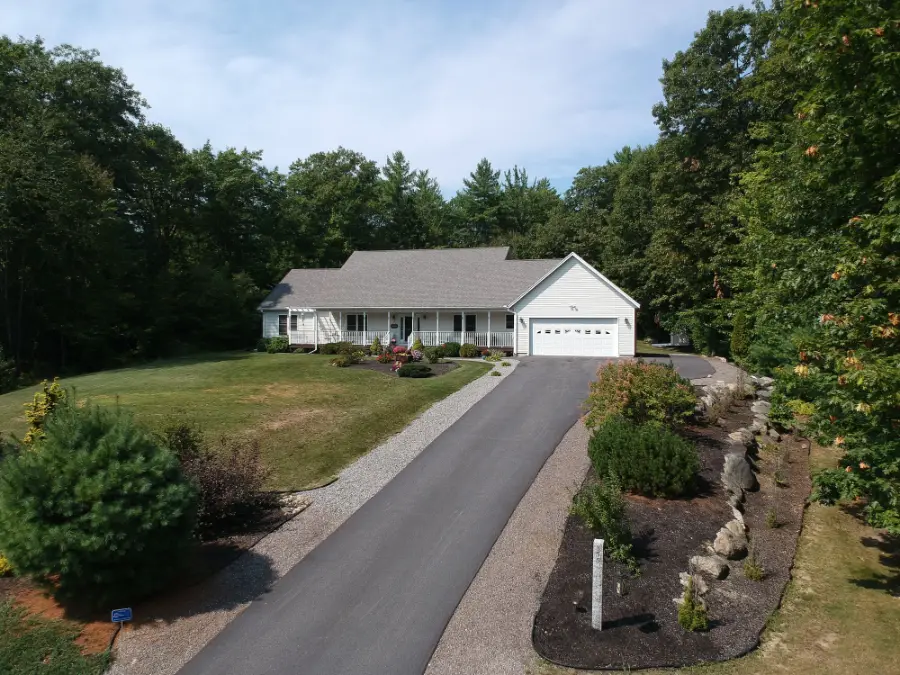
Use this simple checklist before asphalt driveway paving day:
- Move all vehicles out of the driveway and garage if needed.
- Clear loose items like planters, toys, trash cans, and tools.
- Trim back bushes, low branches, and grass along the driveway edge.
- Mark sprinkler heads, invisible dog fences, drain covers, or shallow utility parts.
- Talk with the crew about your preferred driveway lines and finished height.
- Ask where trucks and machines will enter and turn around.
- Keep a path open to your front door if possible.
- Let neighbors know if access may be tight for a short time.
- Make plans to stay off the new surface for the time advised.
This process helps both the homeowner and the paving crew. For example, if a sprinkler head is hidden by overgrown grass, heavy equipment could hit it. If a low branch hangs over the driveway, a dump truck may not clear it. These small details can turn into delays if no one catches them early.
Common Mistakes to Avoid
One common mistake is leaving the area cluttered. Even small items can get crushed or buried during asphalt driveway paving. Another mistake is not thinking about where cars will go during the job and curing time. Some homeowners forget that they may need street parking or a neighbor’s help for a day or two.
Drainage is another issue people miss. If water already runs toward the garage or sits at the end of the driveway, say that before the work starts. New pavement should not trap water. It should guide water away in a smart way. Also, do not water lawn edges right before the crew arrives if the soil near the driveway gets soft and muddy. That can make the work area messier.
People also make the mistake of walking or driving on fresh pavement too soon. New asphalt needs time. If you place heavy items on it too early, you may leave marks or dents that are hard to fix later.
When to Call a Professional
Some prep tasks are easy for a homeowner, but others need a trained eye. Call a professional if your current driveway has deep cracks, sinking spots, drainage trouble, or crumbling edges. You should also get help if you are changing the driveway size, shape, or slope. These jobs need proper grading and base work before asphalt driveway paving can last.
A professional can also help if your property has tight access, steep grades, retaining walls, or nearby structures that need care. For older homes, it helps to point out anything buried near the driveway, such as old pipes, utility lines, or added landscape lighting. A good site visit can catch these problems before work begins.
Final Recommendation
The best way to prepare is to think ahead and keep the site simple, open, and easy to reach. Clear the area, ask questions, and share any concerns about drainage or access before the paving date. That way, the project has a better chance of staying on track and giving you a smooth, clean finish that lasts.
Get Help With Your Next Project
If you’re planning a new driveway in Turlock, CA, we can help you get the property ready from the start. At Great West Paving, we can walk you through the prep steps, answer questions, and explain what to expect before work begins. Call us at (209) 345-7161 to schedule a visit and see what will work best for your home.